
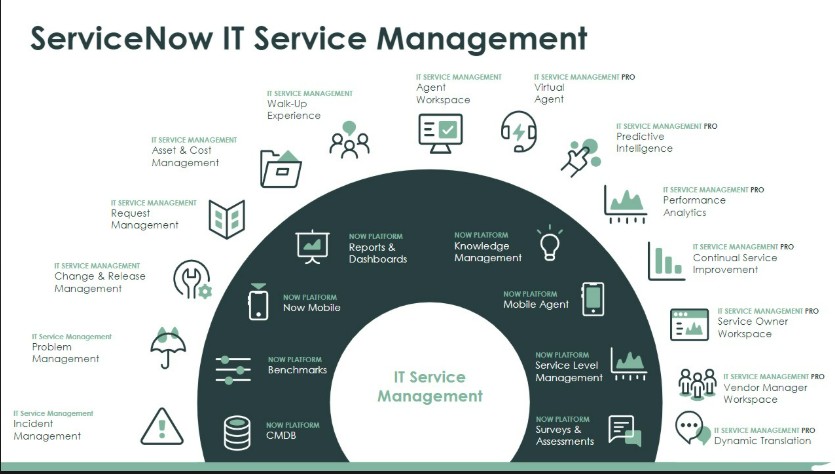
What is ITSM A Complete Beginner’s Guide Using ServiceNow
Introduction: Why ITSM (IT Service Management)Matters Today
In today’s digital-first world, every organization depends on IT — from emails and servers to cloud applications and cybersecurity. When IT services fail, business stops.
That’s where IT Service Management (ITSM) comes in.
ITSM provides a structured way to design, deliver, manage, and improve IT services, ensuring that technology supports business goals instead of becoming a bottleneck.
For beginners, ITSM may sound complex — but with platforms like ServiceNow, learning and applying ITSM has become much easier.
This guide explains ITSM from scratch, using simple language and real-world examples.
What is ITSM? (Simple Definition)
IT Service Management (ITSM)** is the practice of managing IT as a service rather than just managing hardware or software.
👉 Focus is not on technology, but on how IT helps people and businesses
In Simple Words:
- ITSM = Right IT service
- Delivered to the right user
- At the right time
- In a cost-effective and reliable way
Core Objective of ITSM
ITSM aims to align IT services with business requirements.
ITSM ensures:
- Minimal downtime
- Faster issue resolution
- Better user experience
- Predictable IT operations
- Continuous service improvement
Key Components of ITSM
1. People
- IT staff
- End users
- Service desk agents
- Managers
2. Processes
- Standard workflows
- Defined roles & responsibilities
- Best practices (like ITIL)
3. Technology
- ITSM tools (ServiceNow)
- Automation
- Reporting & dashboards
ITIL and ITSM: What’s the Difference?
- An ITIL framework is a set of best practices for IT service management.
- ITSM = What you do
- ITIL = How you do it properly
ServiceNow is ITIL-aligned, making it easier to follow global ITSM standards.
Common ITSM Processes (Beginner-Friendly Explanation)
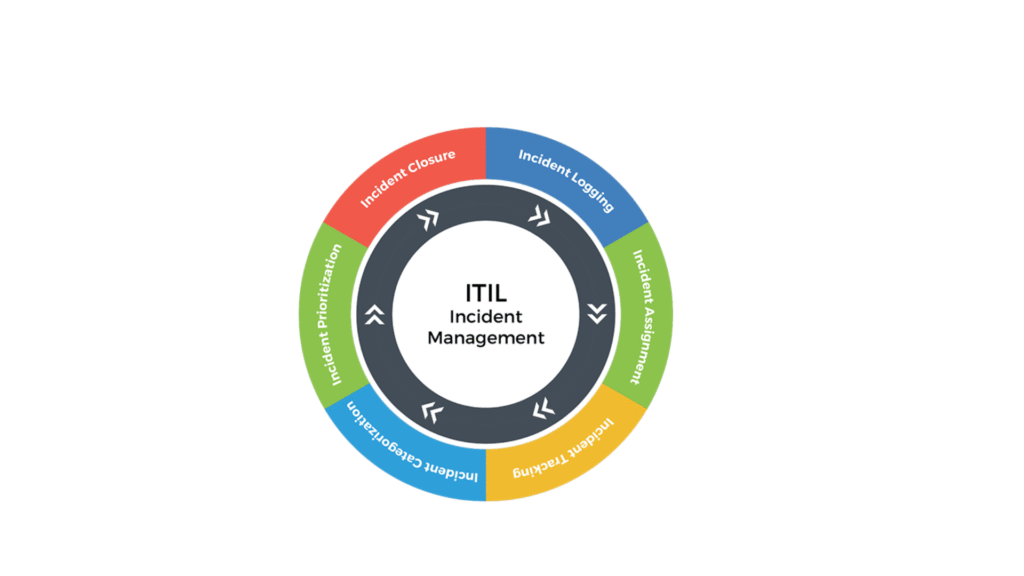
1. Incident Management
Goal: Restore service quickly
📌 Example:
Email is down → Ticket raised → Assigned → Fixed → Closed
2. Problem Management
Goal: Find root cause & prevent repeat incidents
📌 Example:
Repeated email failures → Root cause identified → Permanent fix applied
3. Change Management
Goal: Make safe changes without breaking systems
📌 Example:
Software update planned → Approved → Tested → Deployed
4. Request Fulfillment
Goal: Handle user service requests
📌 Example:
New laptop request → Approval → Delivery → Confirmation
5. Asset Management
Goal: Track IT assets lifecycle
📌 Example:
Laptop → Assigned → Maintained → Retired
What is ServiceNow? (Beginner Explanation)
Using ServiceNow, organizations can automate, manage, and optimize IT services..
Instead of emails, spreadsheets, and phone calls — everything runs through one centralized system.
How ServiceNow Supports ITSM
ServiceNow provides:
- Ready-made ITSM modules
- Automated workflows
- Ticket tracking
- SLA management
- Dashboards & reports
- Integration with other tools
Popular ServiceNow ITSM Modules:
- Incident Management
- Problem Management
- Change Management
- Service Catalog
- CMDB (Configuration Management Database)
ITSM Workflow Example Using ServiceNow
- User submits issue via portal
- Ticket auto-created
- Priority set using rules
- Assigned to right team
- SLA timer starts
- Issue resolved
- User confirms
- Ticket closed with report
✔ Fast
✔ Transparent
✔ Auditable
Benefits of ITSM Using ServiceNow
For Businesses
- Reduced downtime
- Cost control
- Compliance & audit readiness
- Predictable IT operations
For IT Teams
- Automation reduces manual work
- Clear responsibilities
- Better workload management
For End Users
- Faster support
- Self-service portals
- Clear communication
Who Should Learn ITSM with ServiceNow?
ITSM is ideal for:
- Freshers entering IT
- IT support professionals
- System administrators
- Service desk agents
- Career switchers
- Managers & consultants
ITSM Career Opportunities
Learning ITSM + ServiceNow opens roles like:
- ITSM Analyst
- ServiceNow Administrator
- Service Desk Lead
- IT Operations Manager
- ITIL Consultant
💼 High demand
🌍 Global opportunities
💰 Competitive salaries
ITSM in Real-Life Business Scenarios
- Banks managing online services
- Hospitals handling IT systems
- E-commerce platforms ensuring uptime
- Government digital services
- IT companies supporting clients
Common ITSM Terms Beginners Should Know
- Ticket: Record of issue/request
- SLA: Service Level Agreement
- CMDB: Database of IT assets
- Workflow: Automated process
- Priority: Urgency + impact
Challenges Without ITSM(IT Service Management)
Without ITSM, organizations face:
- Chaos in IT support
- Missed deadlines
- Poor customer satisfaction
- High operational costs
- No accountability
Why ServiceNow (IT Service Managementis) Best for Learning ITSM
- Industry-standard platform
- Beginner-friendly UI
- ITIL-aligned
- Real-time practice
- Widely used by enterprises
ITSM + ServiceNow = Future-Proof Skill
As businesses continue digital transformation, ITSM professionals are always needed.
ServiceNow experience makes your profile job-ready and globally relevant.
Conclusion: IT Service Management
IT Service Management (ITSM) is the backbone of modern IT operations, enabling organizations to deliver reliable, efficient, and user-focused IT services. For beginners, learning ITSM concepts using UTS Tech Solutions makes the journey practical, structured, and strongly career-oriented by combining real-world scenarios with hands-on ServiceNow exposure.
If you are aiming for a stable, high-demand IT career, starting with ITSM using ServiceNow through UTS Tech Solutions is one of the smartest and most future-ready choices in 2025 and beyond, opening doors to global opportunities across industries.
🚀 Ready to start your ITSM journey? Enroll today at UTS Tech Solutions and gain industry-ready ServiceNow ITSM skills with expert guidance and real-time projects.